
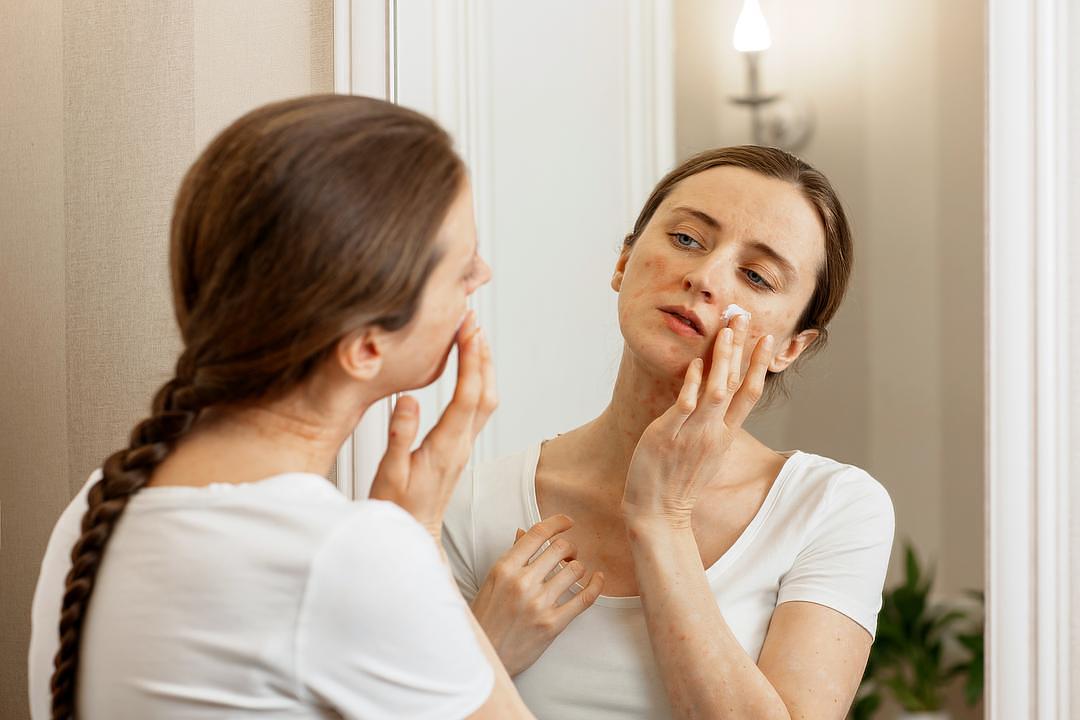
Living with rosacea can feel like your skin has a mind of its own, flushing, burning, and flaring without warning. The search for effective treatment often turns into a frustrating cycle of products and advice that promise relief but rarely deliver lasting results.
At Fountain of You MD, we understand how challenging this condition can be. We’ve helped hundreds of patients regain confidence and control through personalized care. This guide will walk you through common rosacea triggers, strategies to prevent flare-ups, and how to respond when they do occur.
Contents
Rosacea 101: Understanding The Basics
Rosacea is a chronic inflammatory skin condition that causes facial redness, visible blood vessels, and sometimes small, red bumps. Many patients describe a burning or stinging sensation during flares, along with skin that feels unusually sensitive to products they once tolerated. Unlike acne, rosacea doesn’t typically produce blackheads and rarely affects areas beyond the central face.
Rosacea is more common than many people realize, affecting millions of adults worldwide. It can appear at any age but is most often seen in individuals over 30 and tends to be more noticeable in fairer skin types, though it can affect all skin tones.
There are several subtypes of rosacea, ranging from persistent redness and visible vessels to acne-like breakouts or thickened skin on the nose and cheeks. Because symptoms vary so widely, many patients struggle for years without a clear diagnosis.
Beyond its physical effects, rosacea can also impact self-confidence and quality of life, making clear understanding and management especially important.
Common Rosacea Triggers
Understanding your personal rosacea triggers is the first step toward gaining control over your skin’s appearance. Through years of treating patients with this condition, we’ve observed patterns that can help you identify what might be causing your flares.
Rosacea triggers commonly include:
- Excess oil
- Spicy foods and hot beverages
- Alcohol (especially red wine)
- Extreme temperatures and sun exposure
- Emotional stress
- Certain skincare ingredients
Environmental factors like wind, humidity changes, and indoor heating can worsen symptoms dramatically. Many patients don’t realize that seemingly innocent activities like hot showers or saunas can trigger significant flares.
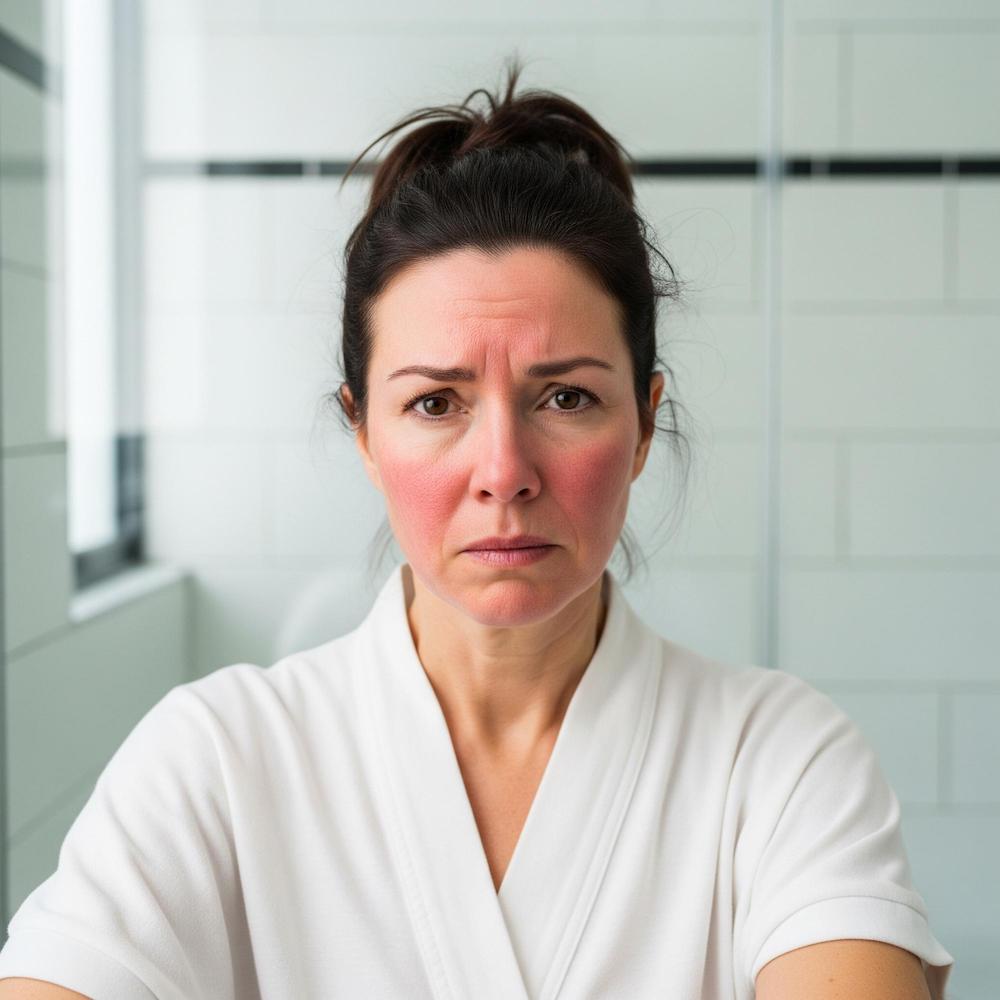
Ways to Prevent Rosacea Flares
While rosacea can feel unpredictable, many patients find that the best way to stay ahead of flare-ups is to focus on prevention with small, consistent choices that protect and calm the skin before symptoms appear.
1. Choose Gentle, Medical-Grade Skincare
When it comes to rosacea, prevention starts with your daily skincare routine. Using the wrong products can weaken your skin barrier and increase sensitivity, while the right ones help protect against triggers and keep flare-ups at bay.
At Fountain of You MD, we offer medical-grade skincare lines specifically formulated to strengthen and soothe rosacea-prone skin before symptoms escalate.
- SkinBetter Science Mystro Active Balance Serum: Helps maintain balance in the skin’s natural defenses, reducing redness and irritation while keeping flare-ups from developing.
- SkinCeuticals: Advanced cleansers and serums that calm inflammation and fortify the skin barrier to minimize future triggers. Phyto A+ brightening treatment, which contains azelaic acid (a potent ingredient in fighting rosacea) is a go-to product.
- Obagi: Gentle cleansers with niacinamide that prevent irritation and support moisture balance, protecting sensitive skin from flare-inducing dryness.
- EltaMD Sunscreens: Daily broad-spectrum protection that prevents UV damage, one of the most common causes of rosacea flares.
Prevention is about consistency. A tailored routine with the right medical-grade products reduces the likelihood of flare-ups and helps you maintain calmer, healthier skin every day.
2. Protect Skin from Harsh Weather
Sun protection is non-negotiable for rosacea management, as sun damage can exacerbate redness and inflammation. Use sunscreens without harsh chemicals, fragrances, or dyes that may irritate sensitive skin.
In cold weather, protect your face with scarves and limit time outdoors when temperatures drop below freezing. Indoor environments matter too – consider using a humidifier during winter months when heating systems can dry out your skin.
3. Understand How Diet Affects Rosacea
What you eat can significantly impact your skin’s inflammatory response. A thoughtful approach to your diet can complement your topical treatments and help prevent flares.
Foods That May Trigger Rosacea
- Alcohol, particularly red wine, is a powerful trigger for many rosacea patients.
- Hot beverages can cause temporary vasodilation, so consider enjoying your coffee or tea at moderate temperatures.
- Spicy foods containing capsaicin often trigger facial flushing and should be introduced cautiously if you enjoy them.
Foods That May Help Calm Rosacea
- Anti-inflammatory foods rich in omega-3 fatty acids may help reduce the intensity of rosacea symptoms.
- Colorful fruits and vegetables provide antioxidants that support overall skin health.
- Staying well-hydrated with plain water helps maintain your skin’s moisture balance and supports proper barrier function.
- Some patients find that probiotic foods improve their symptoms by influencing the gut-skin connection.
We recommend keeping a food diary for several weeks to help you identify your personal dietary triggers. You don’t need to cut out every trigger food, even small adjustments may help.

4. Adopt Lifestyle Habits and Stress Management for Rosacea Relief
Stress management techniques like deep breathing, meditation, or gentle yoga can help reduce flares triggered by emotional factors. Exercise in climate-controlled environments or during cooler parts of the day to avoid overheating.
Even with the best prevention strategies, flares can still happen. When they do, quick action and the right treatments can make all the difference.
Ways to Manage Rosacea Flares
When prevention isn’t enough and you experience a flare, quick intervention can minimize its duration and intensity. We’ve found that a combination of at-home care and professional consultation offers the most comprehensive relief.
1. At-Home Remedies for Rosacea
At-home remedies and select over-the-counter products can help calm irritation and shorten recovery time.
- Azelaic Acid (OTC strength): Helps reduce redness and inflammation while supporting healthy skin cell turnover.
- Gentle Moisturizers: Look for products with ceramides, niacinamide, or hyaluronic acid to protect and repair the skin barrier during a flare.
- Cold Compresses: Applying a cool (not icy) compress for 10 minutes can constrict blood vessels and ease flushing.
These remedies won’t replace professional care, but they can offer valuable comfort and help your skin recover more quickly between professional treatments.
2. Professional Treatments for Rosacea
While lifestyle adjustments and at-home care go a long way, professional treatments can be transformative in managing rosacea. At Fountain of You MD, we combine advanced technology with physician-led expertise to deliver safe, effective solutions tailored to your unique skin.
- IPL Photofacial (Lumecca): Harness the power of light therapy to reduce redness, visible blood vessels, and inflammation. Our Lumecca IPL Photofacial stimulates natural healing while improving overall skin tone and texture, making it one of the most effective options for rosacea-prone skin.
- Customized Facials: Our master esthetician provides gentle, customized facials designed for rosacea-prone skin. Using soothing and hydrating ingredients, these treatments reduce redness, calm inflammation, and restore balance, helping you maintain healthier, more resilient skin.
Lasting Relief from Rosacea Is Possible
Rosacea doesn’t have to control your life or your confidence. With the right combination of preventive strategies and targeted treatments, you can achieve clearer, calmer skin.
At Fountain of You MD, we specialize in creating personalized treatment plans that address the unique challenges of rosacea. With locations in both Virginia Beach and Chesapeake, we care for patients across Hampton Roads, combining advanced medical treatments with compassionate guidance to support lasting improvement.
To begin your journey to a better you with clearer skin, book a consultation today.